

Ana Inés Aldazabal, Andrea Cartia, Virginia Ghelarducci, Vittoria Faga (Boğaziçi University)
Against the breath-taking backdrop of Durham Castle and blessed with wonderful summer weather, the annual conference of Durham University’s Medieval and Early Modern Students Association (MEMSA) opened on 21 July 2025 to eager anticipation. Generously sponsored by the Society for the Social History of
Medicine (SSHM), this year’s edition featured thirty-four papers across twelve panels, including hybrid sessions for remote speakers. The 2025 theme,
‘Illuminating Nature: Explorations of Science, Religion, and Magic’, was a perfect fit for those working in medieval and early modern medical humanities.
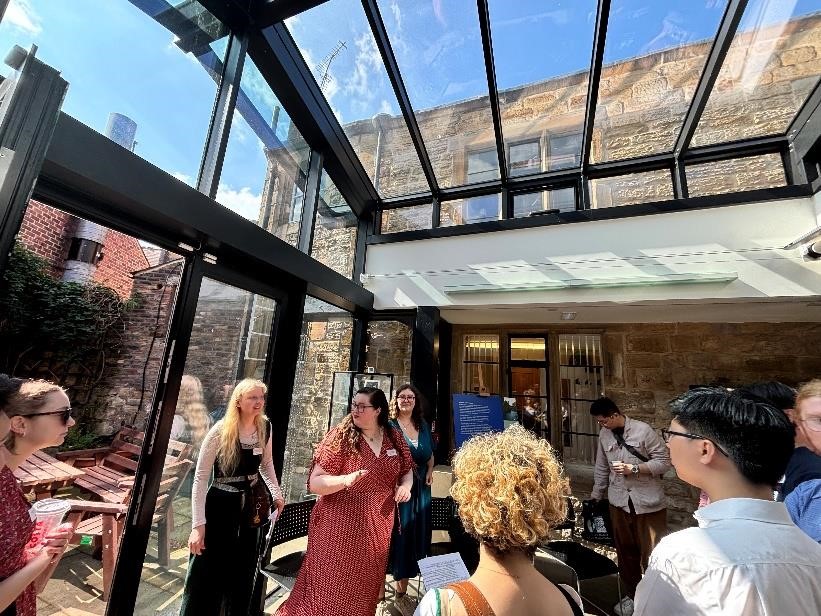
Participants who arrived the day before or stayed after the conference had the chance to join a guided tour of the castle, led by PhD student and MEMSA cochair Lottie Thompson. Her guidance gave participants access to areas not usually open to the public, revealing fascinating details of the eleventh-century UNESCO heritage site.
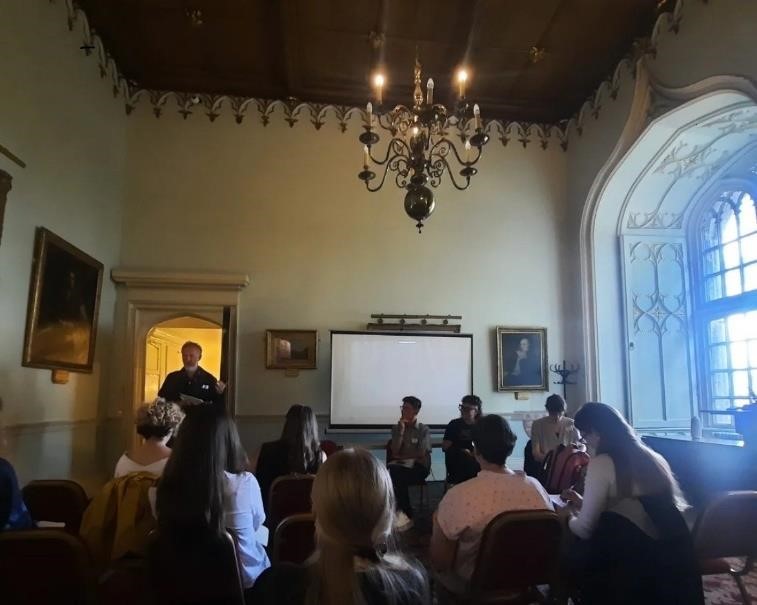
Following introductory remarks from conference convenors Harriet Strahl, Kenzie Scott,and Bailey Leis, the first day opened with a keynote lecture by Dr Sebastian
Falk (University of Cambridge), titled ‘(How) Did Medieval People Actually Do Science?’. Falk examined whether and in what terms it is possible to talk about medieval science, focusing on manuscript production, circulation of texts and images, and the use of illustrations to understand scientific instruments like astrolabes. He explored how these images could inspire construction or improvement of tools and reflected on the challenges of reconstructing medieval scientific thought.
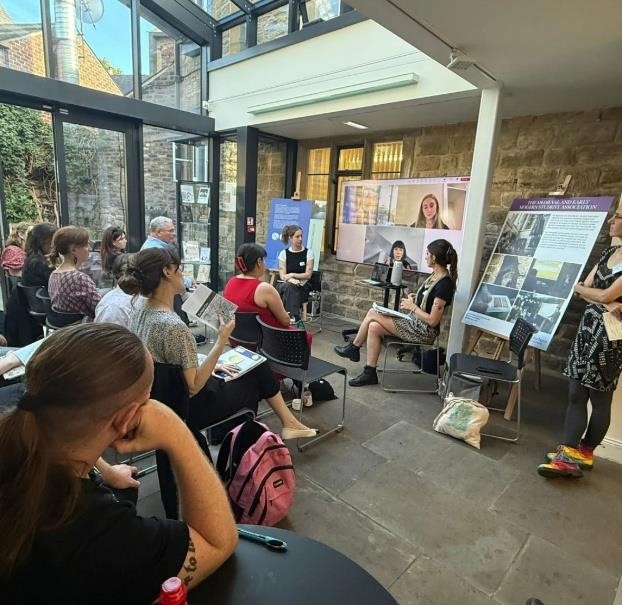
The subsequent sessions highlighted the event’s interdisciplinary nature and thematic richness. Two common threads emerged across the day’s presentations: identity and landscapes. Discussions of identity included the social treatment of people with dwarfism in seventeenth-century England (Lalie Constantin), Elias Ashmole’s self-fashioning of a legendary lineage (Laurence Chen), and the depiction of women healers as either medical practitioners or sorceresses in French romance (Ana Inés Aldazabal). The second thread, landscapes, was explored through a variety of approaches, from encounters with American nature challenging
European beliefs (Virginia Ghelarducci), to Italian pilgrims’ chronicles of visits to St Patrick’s Well in Ireland (Andrea Cartia), to the depiction of sacred and symbolically charged natural sites in Icelandic contexts (Vittoria Faga). These threads allowed connections to be drawn across panels while ensuring that all four of our contributions were highlighted.
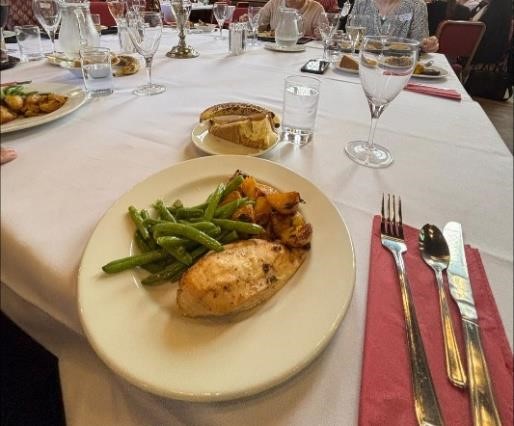
Lunch offered a convivial break and a chance to explore the castle’s undercroft, home to the university bar, followed by a much-anticipated formal dinner in the Great Hall. Attendees also had the opportunity to visit the historic Palace Green Library as well as Durham Cathedral, where they could explore its Norman architecture, chapels, and cloisters, and view an exhibition about the Magna Charta, which stressed the historical significance of this foundational document in the history of England.
On the second day, Dr Yarí Pérez Marín (Durham University) delivered her keynote lecture, ‘The Hidden Nature: Observation and Vulnerability in Early Modern Surgical Writing’. Drawing on medical texts from colonial Mexico, she examined the visibility of the body and the contrast between the ‘real’ and ‘textual’ body in surgical procedures like amputations. Her focus on women and indigenous peoples highlighted how the body was observed, construed, and manipulated in early modern colonial contexts.
Animal studies and approaches to human–animal interactions dominated the day’s sessions. Presentations covered topics ranging from the medieval ‘pestilential dragon’ and its role in disease causation (Thomas Banbury) to Margaret Cavendish’s poetic biology and approach to animal cognition (María del Mar Yunis) as well as a full session on ‘Animals, Ecology, and Humanity in the Medieval World’. The symbolic and practical uses of animals also emerged in presentations about remedies involving spiders in Yiddish folk medicine (Daniella Zaidman-Mauer) and experiments with snakeskin and other animal parts in medieval recipes designed to overcome social fears and anxieties (Heather Taylor).
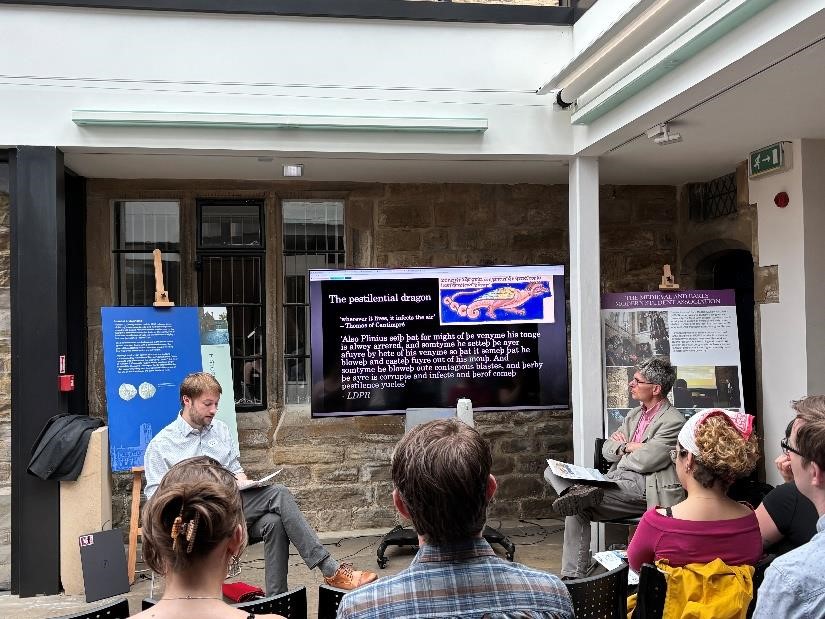
The conference’s rare combination of temporal and thematic breadth with highly specialised topics fostered stimulating exchanges. Informal conversations during breaks revealed unexpected connections between papers, such as recurring magical recipes across centuries, and the welcoming atmosphere ensured a thoroughly enjoyable experience.
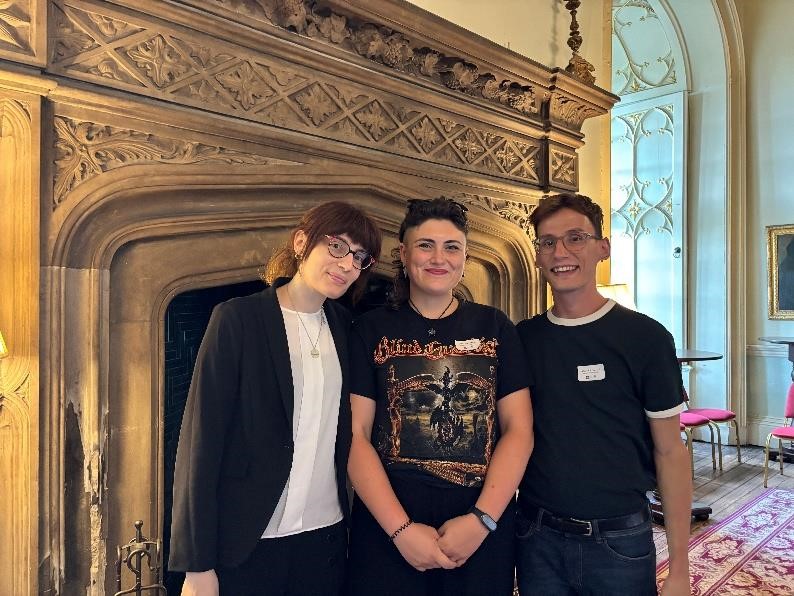
We hope you enjoyed it too! This is our work. Initially, the blog was going to be done by Vittoria, Virginia, and me, but Ana later joined us as we became interested in her topic, and we collaborated online from home with her on drafting and revising it.
For anyone interested, the conference programme is available for download on the MEMSA website: https://durhammemsa.wordpress.com/memsa–conferencesand–conference–proceedings/ .
© Photos credits: Andrea Cartia; @durhammensa (Instagram)